The Andy Thomas Space Foundation, along with project supporter The Australian Space Agency, and delivery partner Makers Empire are proud to present the 2026 Kids in Space Program.
The Kids in Space Program engages primary school students in STEM learning and promotes awareness of careers in the space industry through real-world projects. This initiative program offers an exciting opportunity to integrate space-themed STEM education into classrooms and inspire the next generation of innovators.
Over the past few years Kids in Space has been delivered across Australia, reaching over 300 schools, 800 teachers, and 30,000 students in metropolitan, regional, and remote areas.
Culminating in project showcases, students presented their responses to the design thinking challenge:
Design something that might help astronauts to work and live in space or use space technologies to design something that will help solve a problem on Earth.
The Kids in Space state/territory finals and showcase events are designed for schools to come together to share their learning, and to listen to guest speakers from the space industry. Schools were eligible for prizes awarded by both guests judges and their fellow students. Teams selected by the judges win a trip to Adelaide to compete in the national Kids in Space showcase at the Australian Space Discovery Centre later in the year.
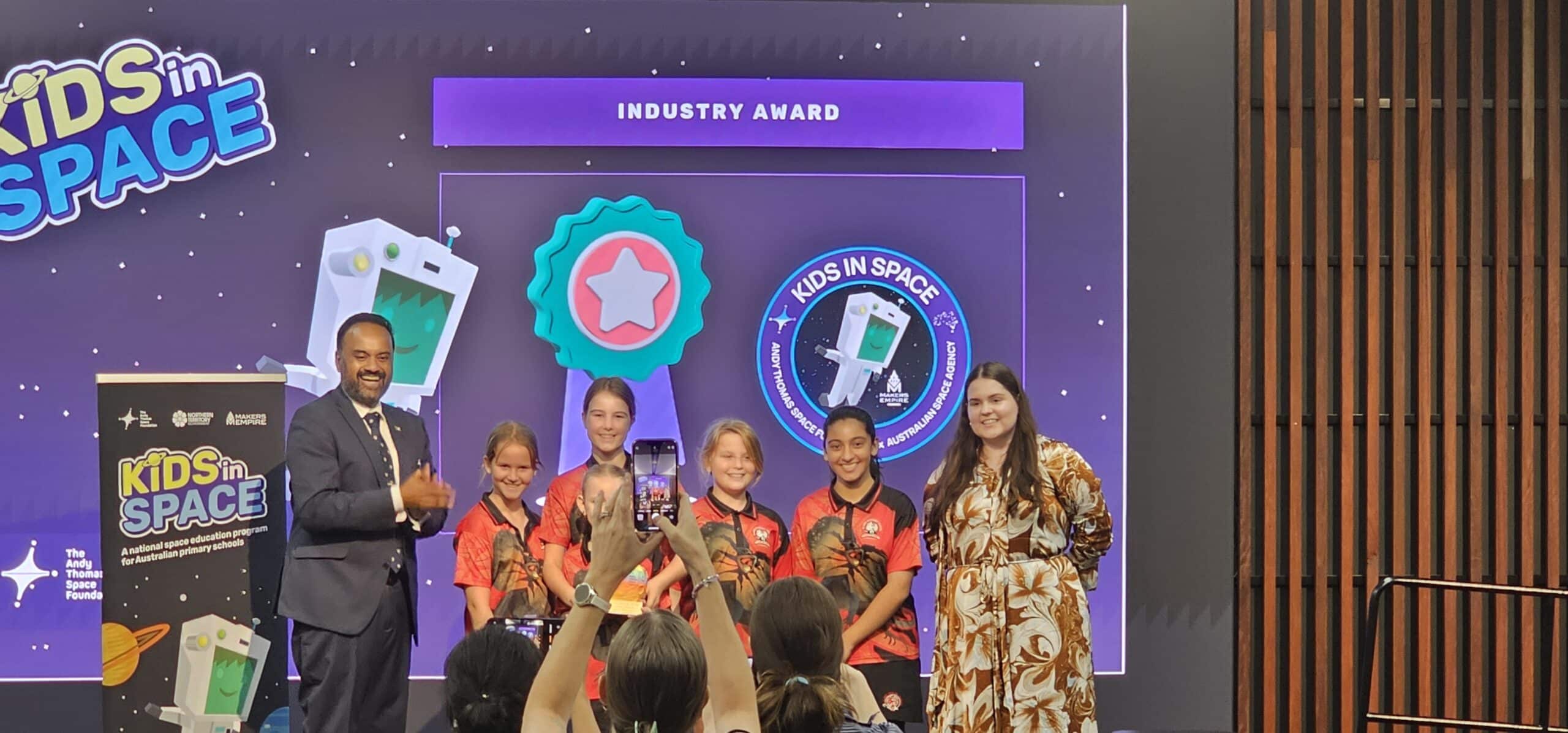
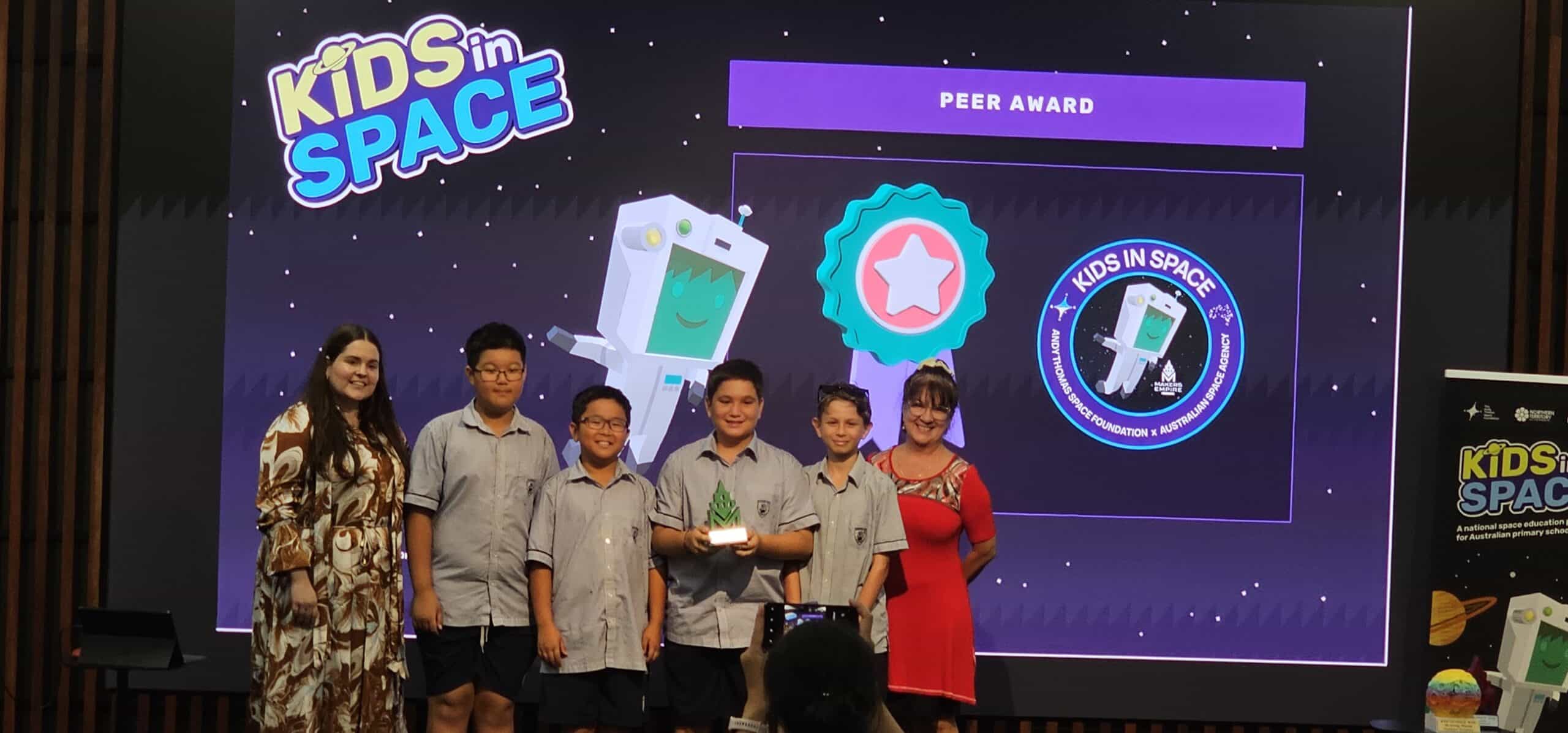
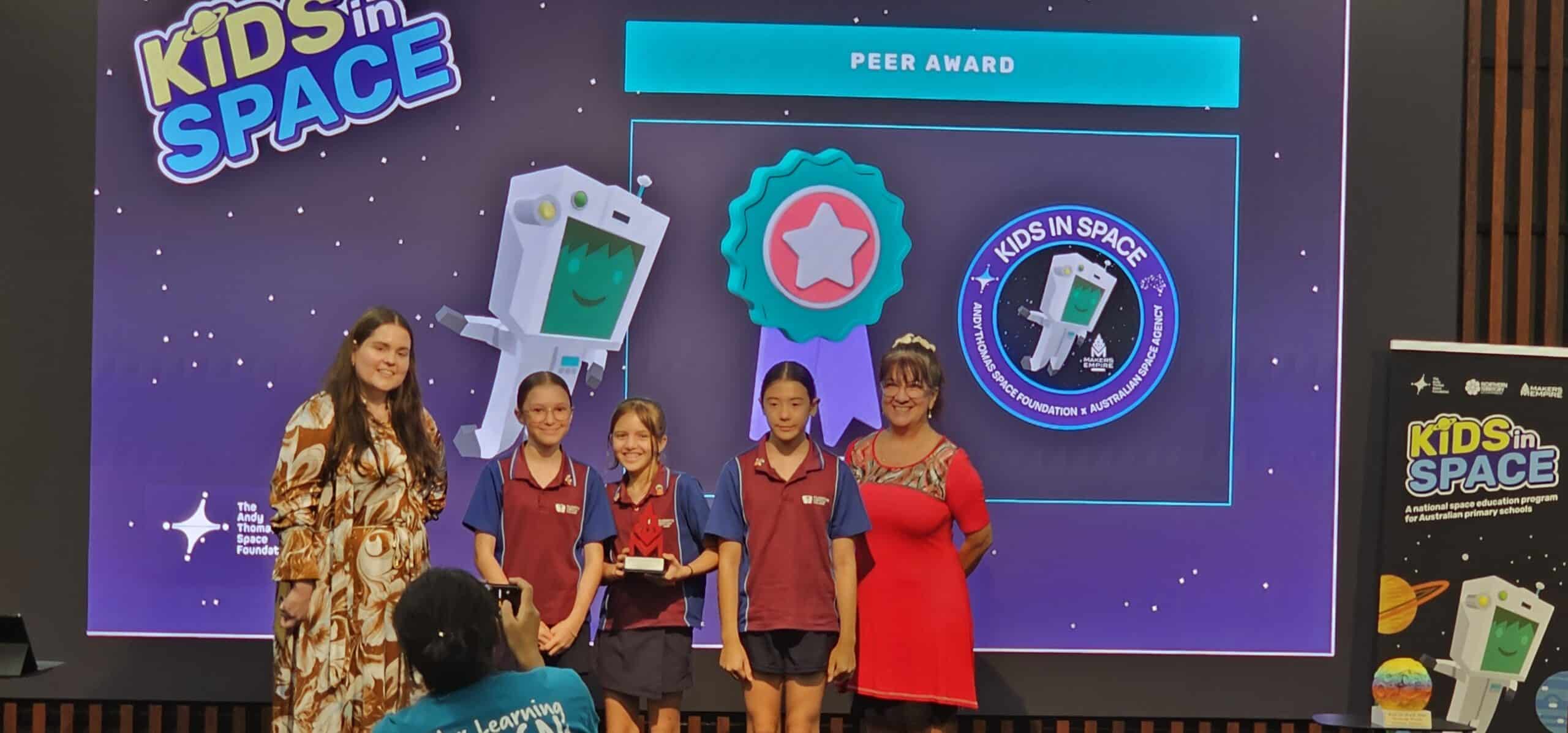
The Northern Territory in the Kids in Space Showcase was held at Charles Darwin University, Danala Community Precinct.
Judges for this showcase included:
Alawa Primary School (Team 2)
Astronauts are required to exercise daily and it can be quite boring. This team developed a solution to this problem, designing a multi-sensory exercise experience for space.
Team 3 Palmerston Christian College
This team addressed the big problem of space debris, with the aim of making space a safer place for astronauts. Their ‘Ultra-Fast Orbit Cleaner’ uses magnets and vacuum technology to collect the debris. Feedback from others helped them to improve their prototypes, including the addition of solar panels.
Team 3 The Essington School
To address the problem that astronauts face, living in a microgravity environment, this team designed the ‘Orbit Spin’, a mini space station that spins to generate its own gravity. This section of the ISS provides a more comfortable space for astronauts to eat, sleep and exercise, leaving the existing zero-gravity section for scientific experiments and training.
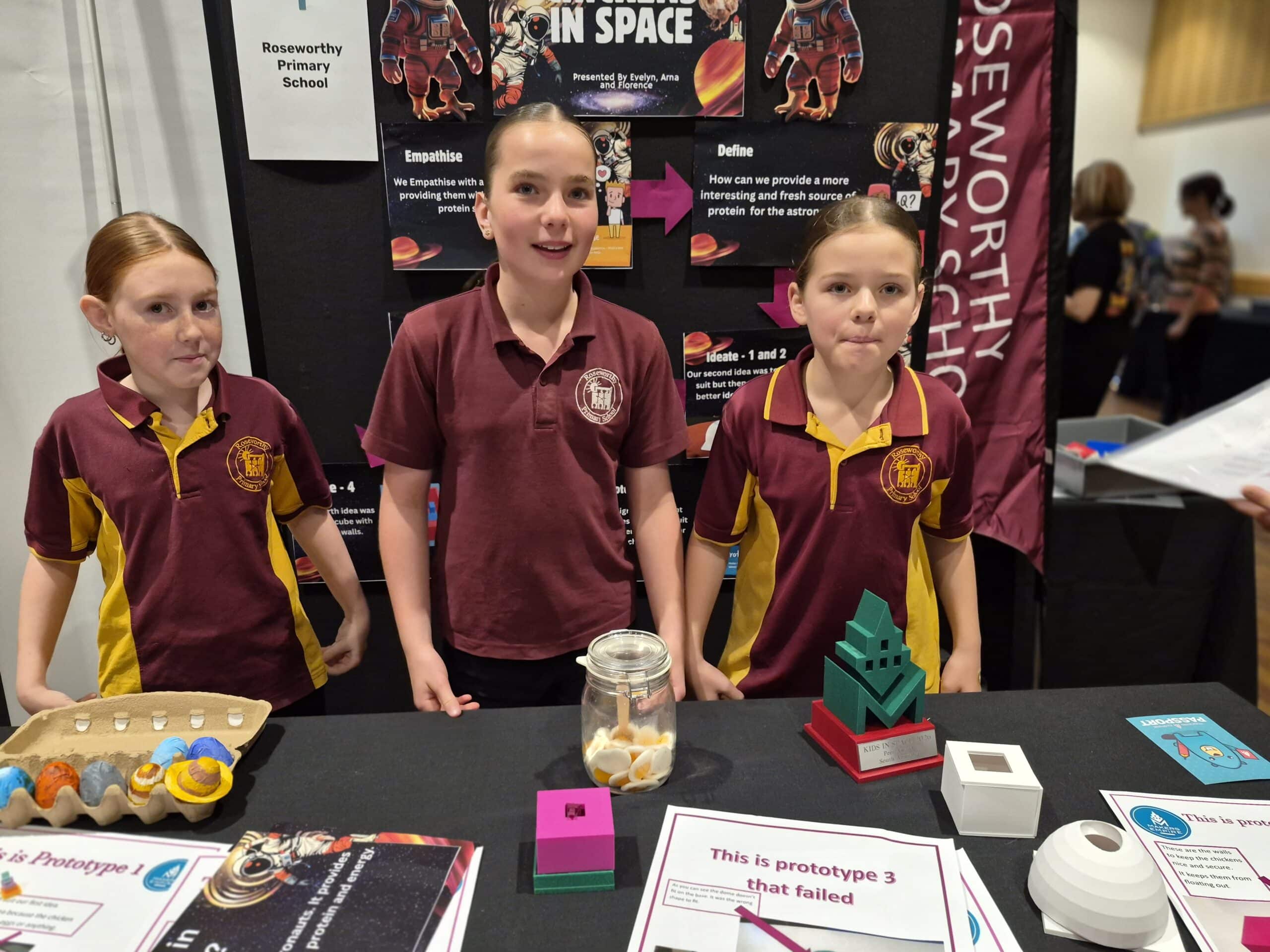
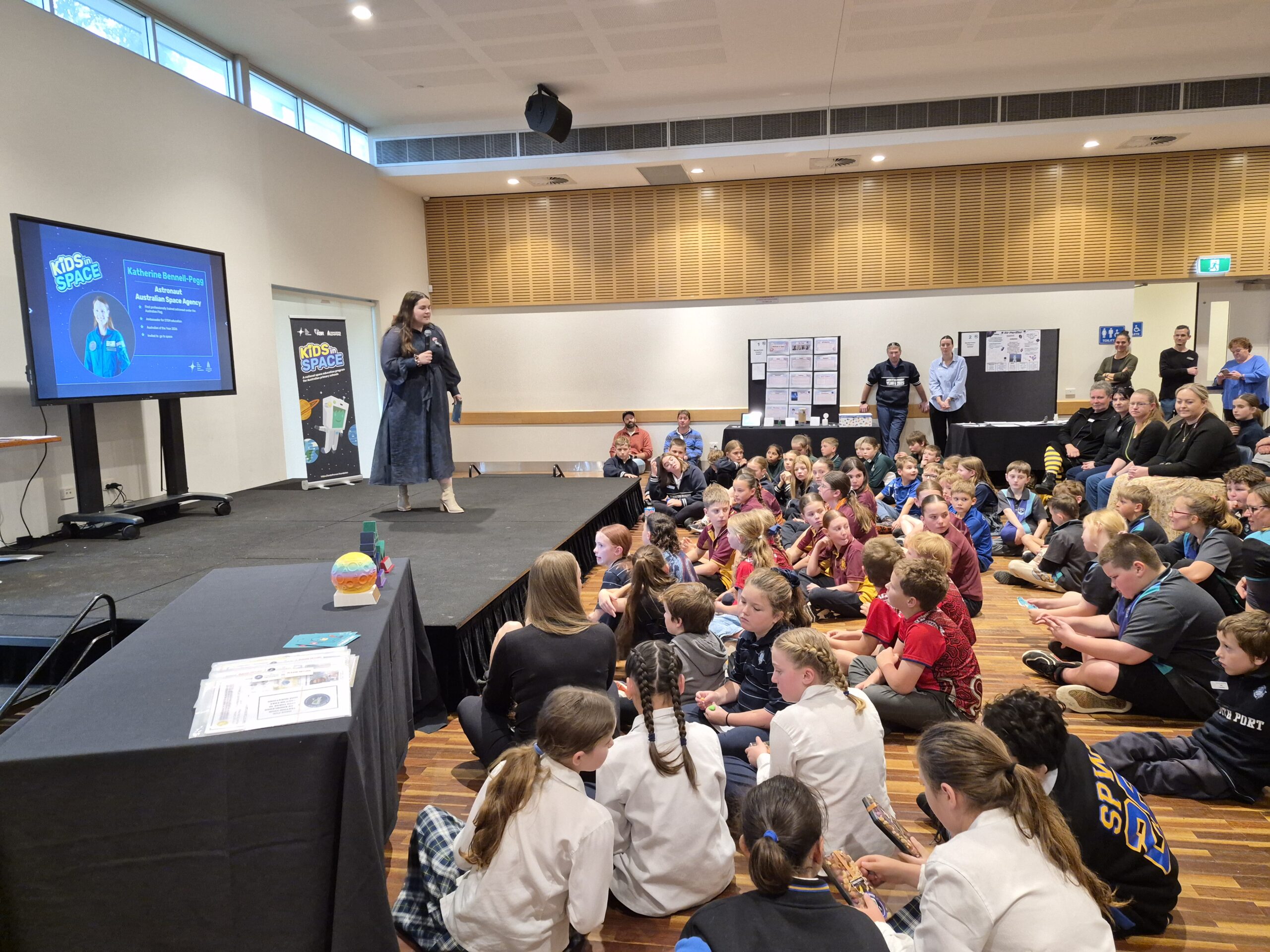
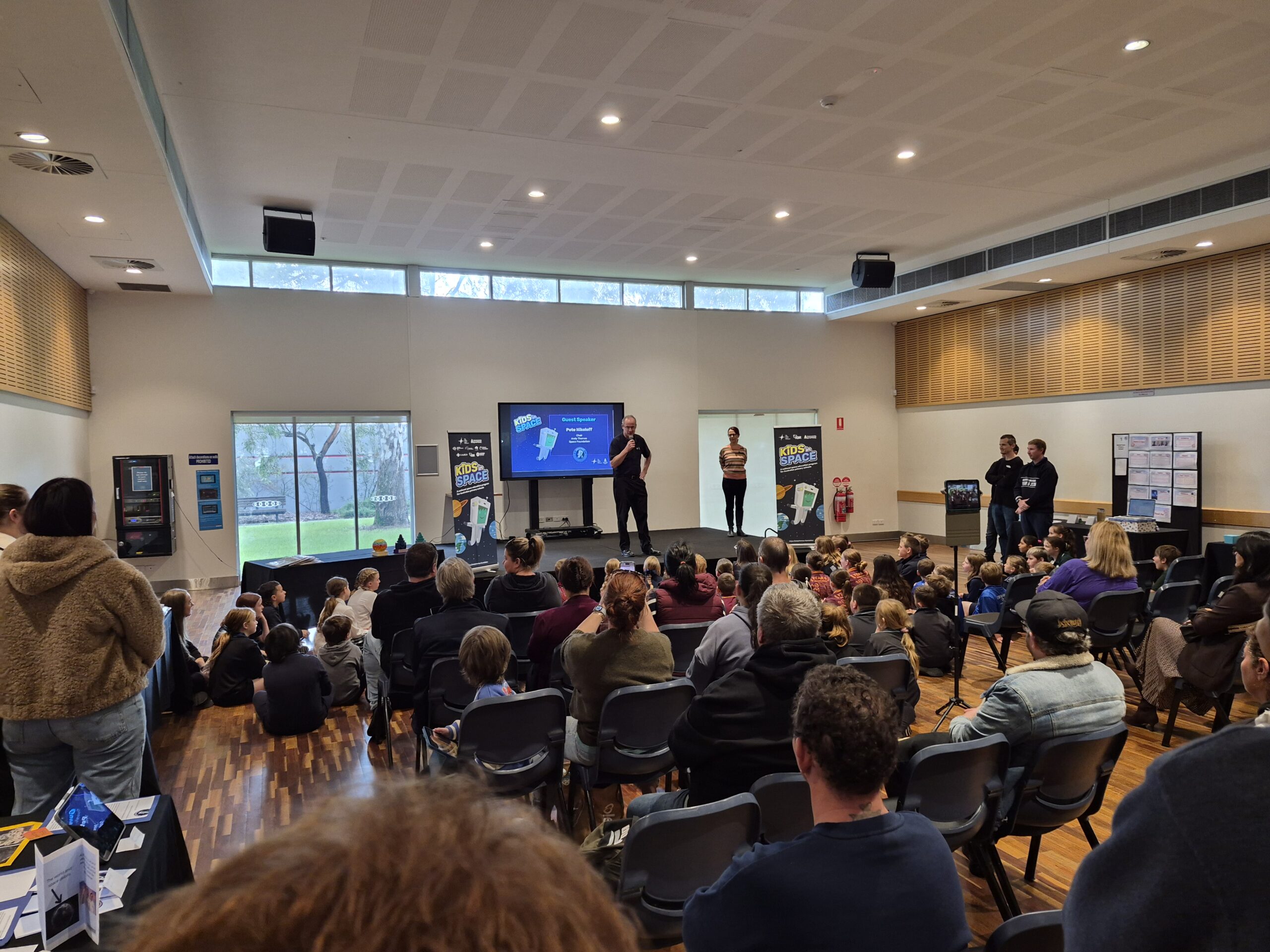
The SA Kids in Space Showcase was held at the Klemzig Community Hall in Adelaide.
Judges for this showcase were:
Kingston Community College
Roseworthy Primary School
St Peters Woodlands (teams 1 & 2)
Debris Destroyer – a device that uses a system of claws, tubes, conveyor belts and crushers to collect and destroy the vast amount of space junk already polluting our solar system.
SnooZzzees – a high-tech combination of mattress and onesies, utilising electromagnets and allowing greater movement while sleeping, making conditions significantly more comfortable for astronauts.
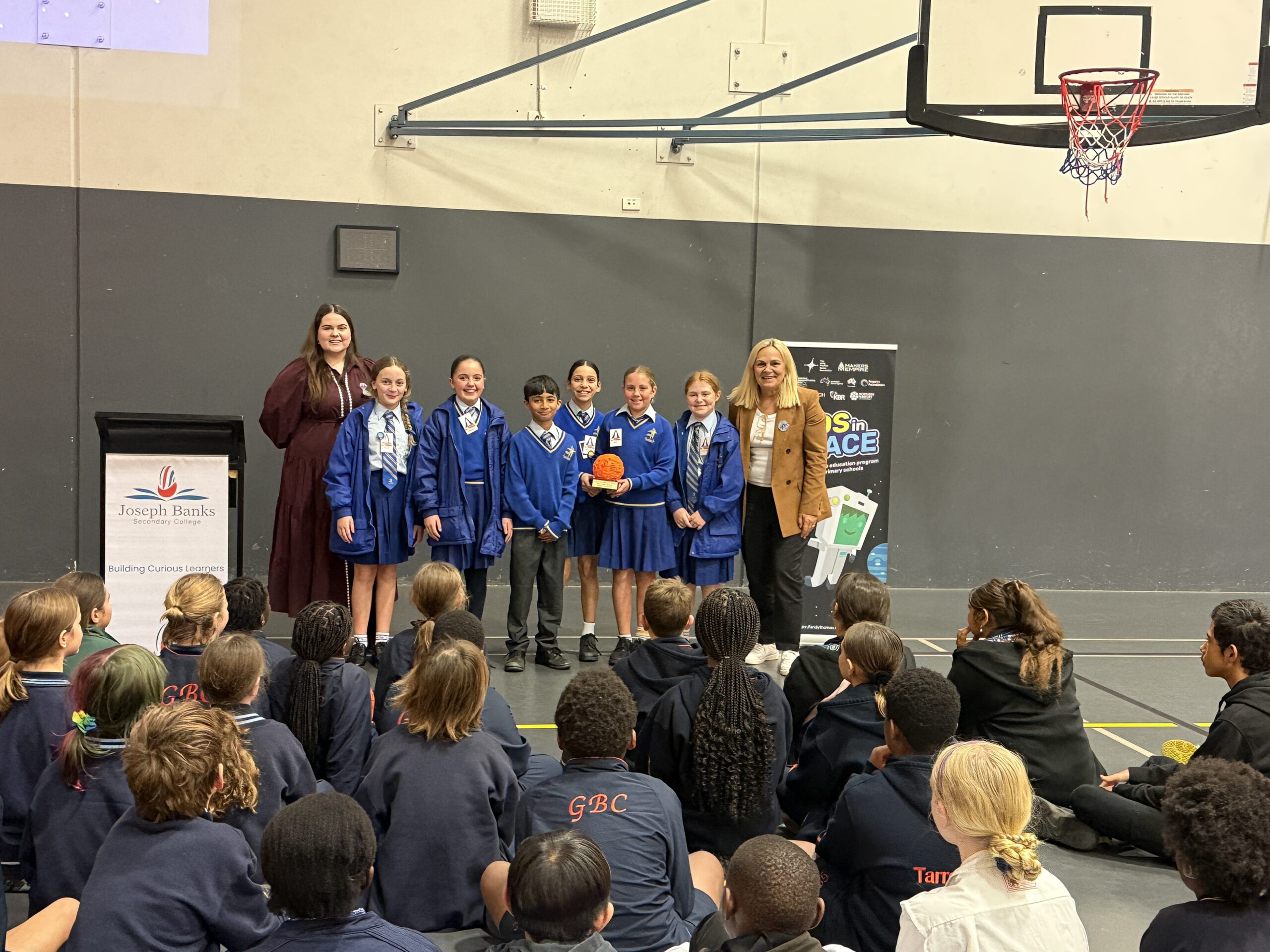
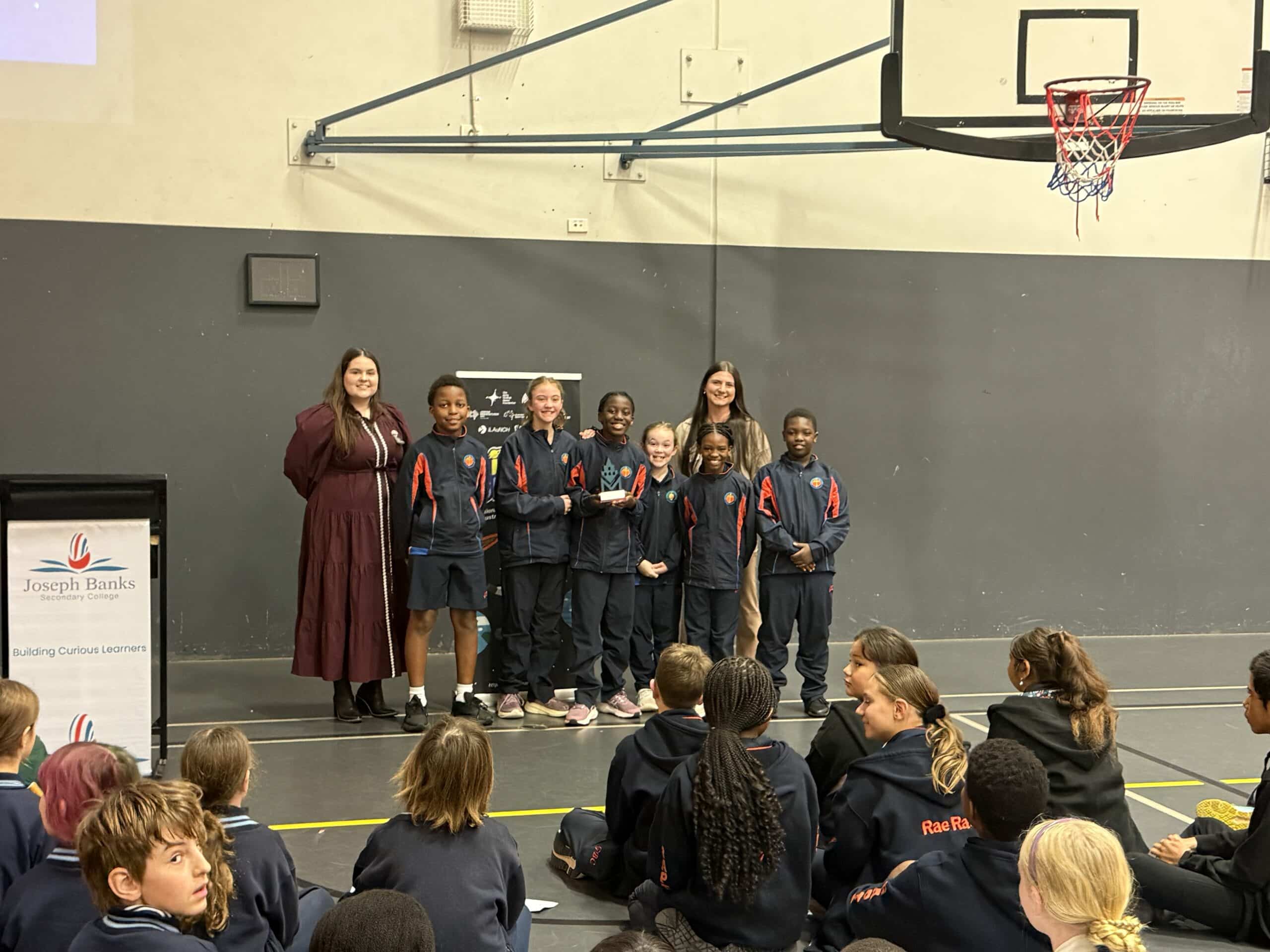
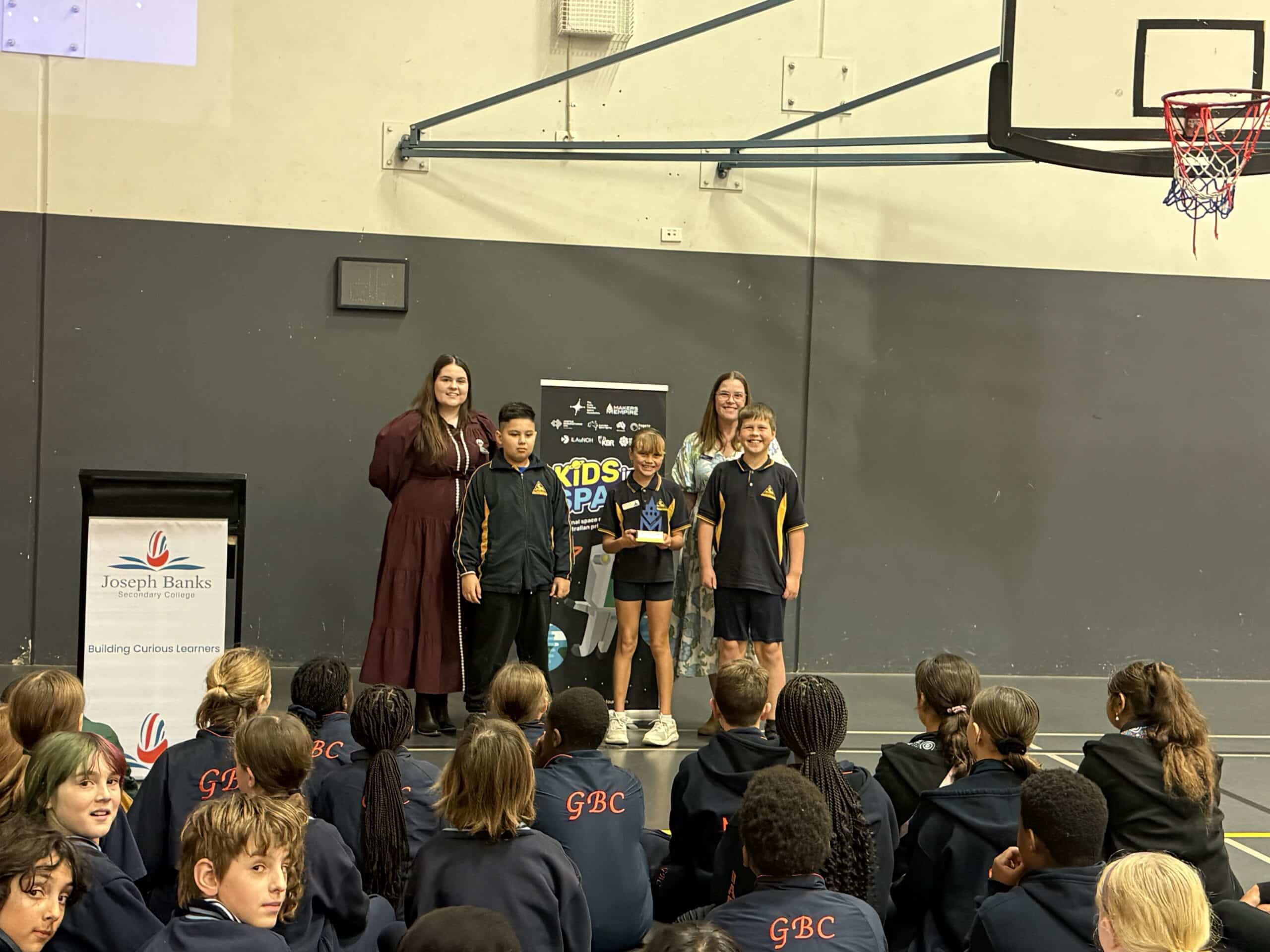
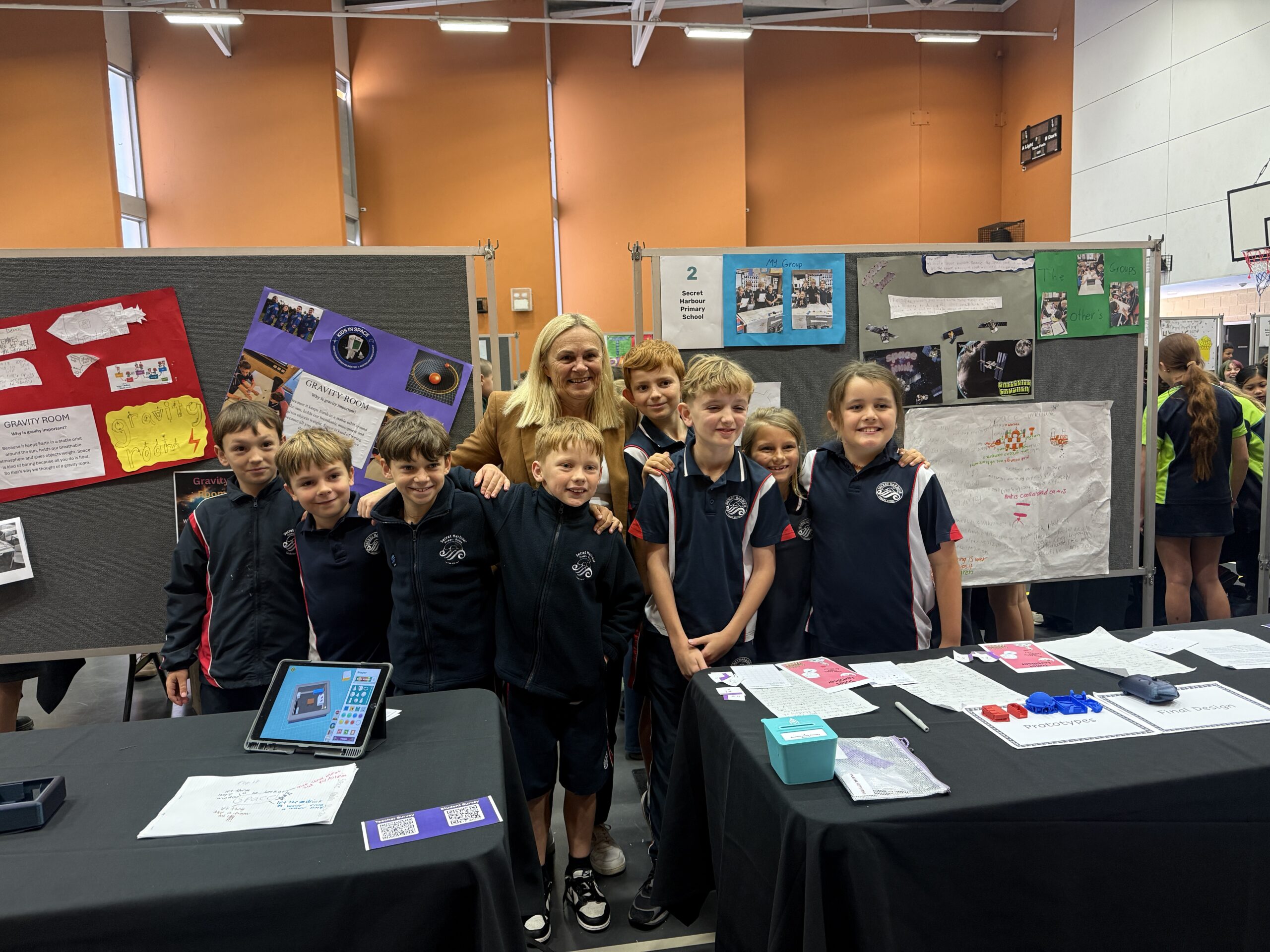
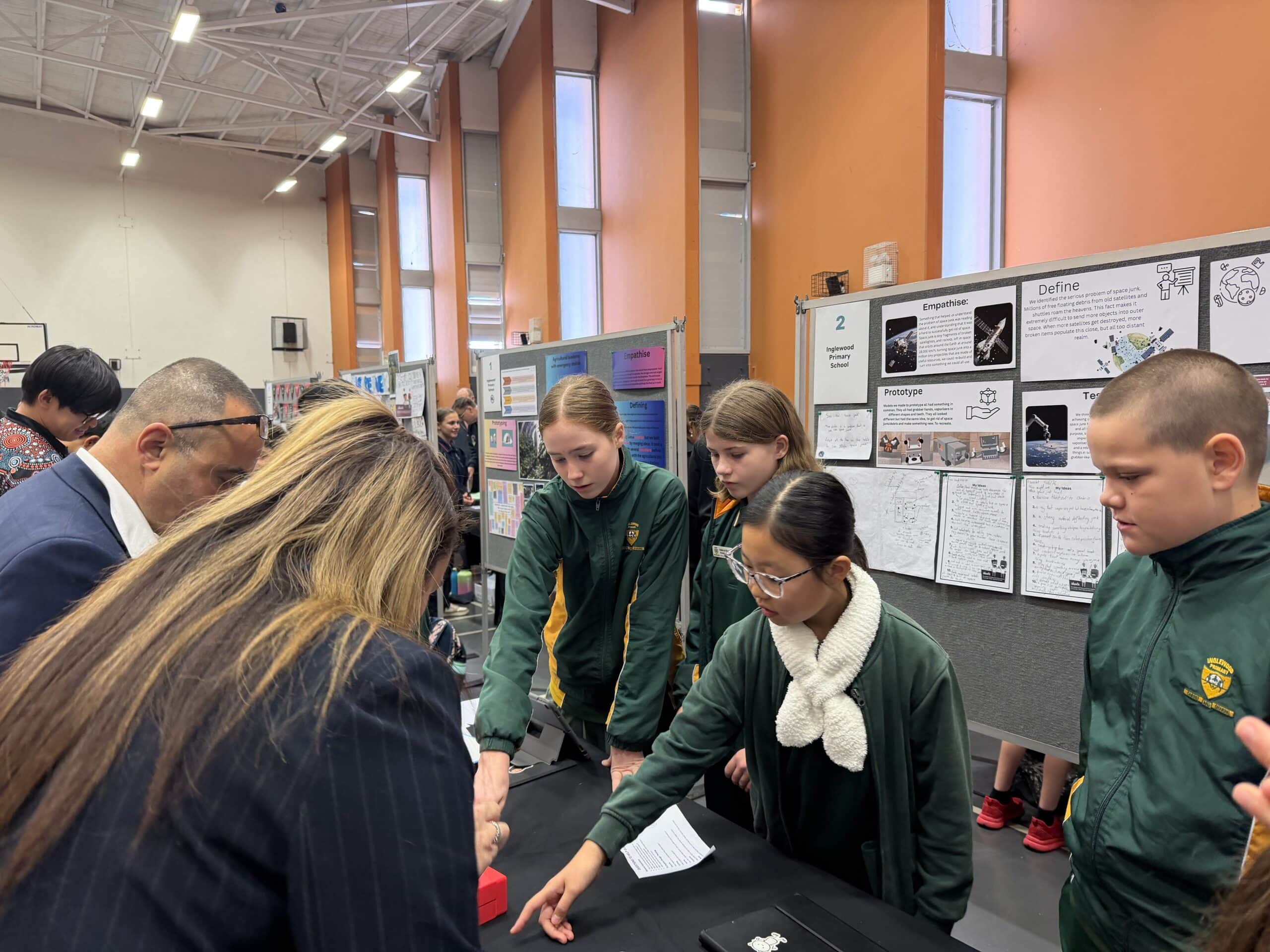
The WA in the Kids in Space Showcase was held at Joseph Banks Secondary College Gym.
Judges for this showcase were:
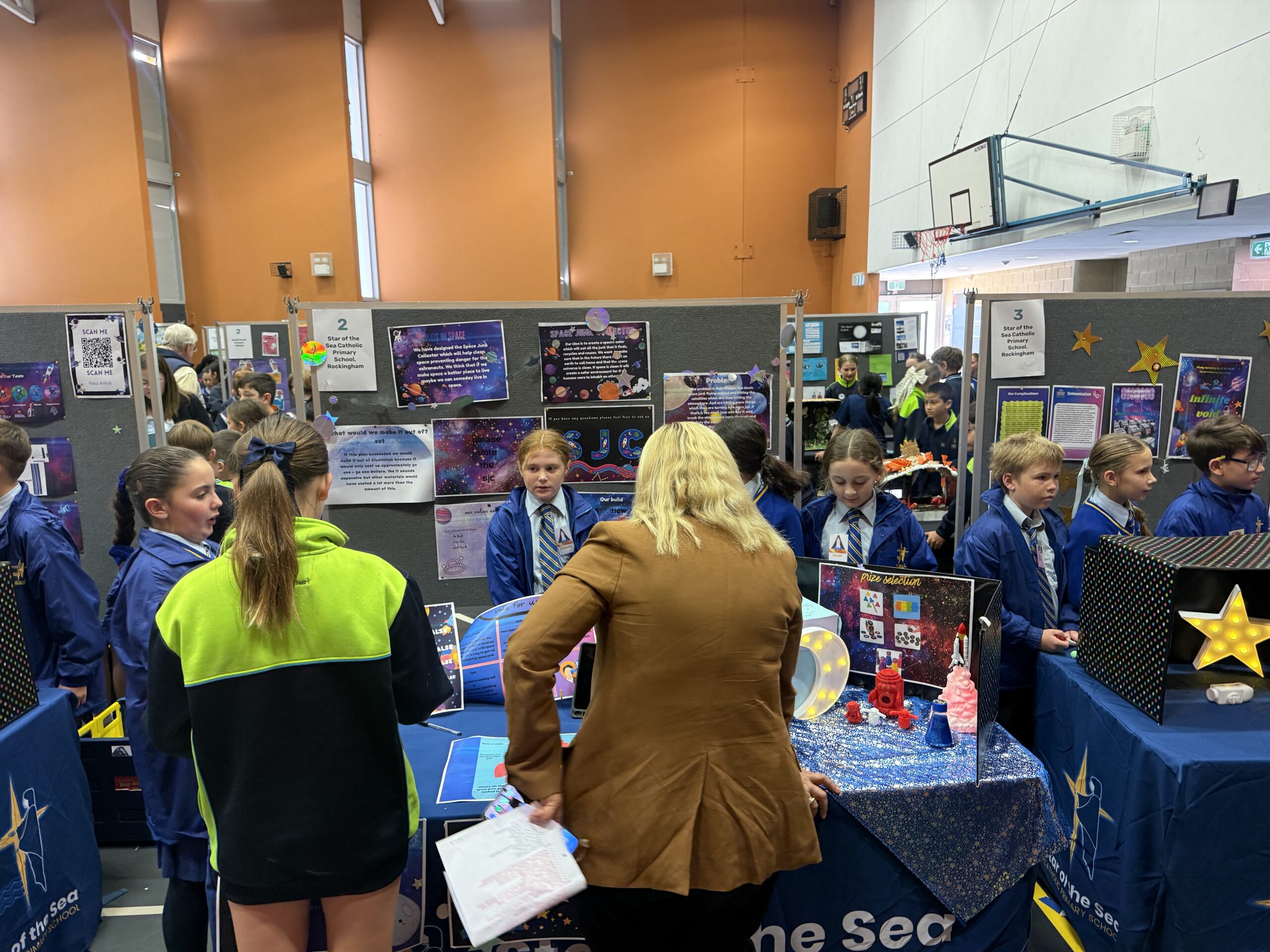
Team 2 Star of the Sea Catholic Primary School
This project was a space junk collector which ‘eats’ space junk to help keep astronauts safe. The collector also recycles and reuses the junk it finds.
Team 1 Gwynne Park Primary School
For this project, students designed a habitat to help protect the endangered red-tailed black cockatoo using GPS trackers to see where they fly, as well as drones, and heat cameras. This bird is at risk due to deforestation and bees.
Team 2 Goldfields Baptist College
This team designed a mouse maze trap using thermal infrared sensors to help with mice plagues. It uses sensors to open and close doors to trap mice in a maze.

Please wait while you are redirected to the right page...